Remembering Loved Ones: Creating Meaningful Memorials
- dannie50
- 1 day ago
- 4 min read
Losing a loved one is one of the most challenging experiences we face in life. The grief can feel overwhelming, and finding a way to honor their memory can be just as difficult. Creating a meaningful memorial is a powerful way to celebrate the life of someone you cherished. It allows you to express your love and keep their spirit alive in your heart and the hearts of others. In this post, we will explore various ways to create meaningful memorials that resonate with your loved ones' unique personalities and legacies.

Understanding the Importance of Memorials
Memorials serve several purposes. They provide a space for reflection, a way to celebrate life, and an opportunity for healing. Here are some key reasons why creating a memorial is essential:
Honoring the Deceased: A memorial allows you to pay tribute to the life of your loved one. It can reflect their passions, interests, and the impact they had on those around them.
Facilitating Grief: Engaging in memorial activities can help you process your grief. It provides a structured way to remember and celebrate the life of the person you lost.
Creating a Legacy: Memorials can serve as a lasting tribute that keeps the memory of your loved one alive for future generations. They can inspire stories and memories that continue to be shared.
Types of Memorials
There are countless ways to create a meaningful memorial. Here are some popular options to consider:
1. Traditional Grave Markers
A traditional grave marker is a classic way to memorialize a loved one. It can be personalized with inscriptions, symbols, and images that reflect their life. When choosing a grave marker, consider:
Material: Options include granite, marble, and bronze. Each material has its own aesthetic and durability.
Design: Think about the design elements that represent your loved one. This could include their favorite flowers, hobbies, or quotes.
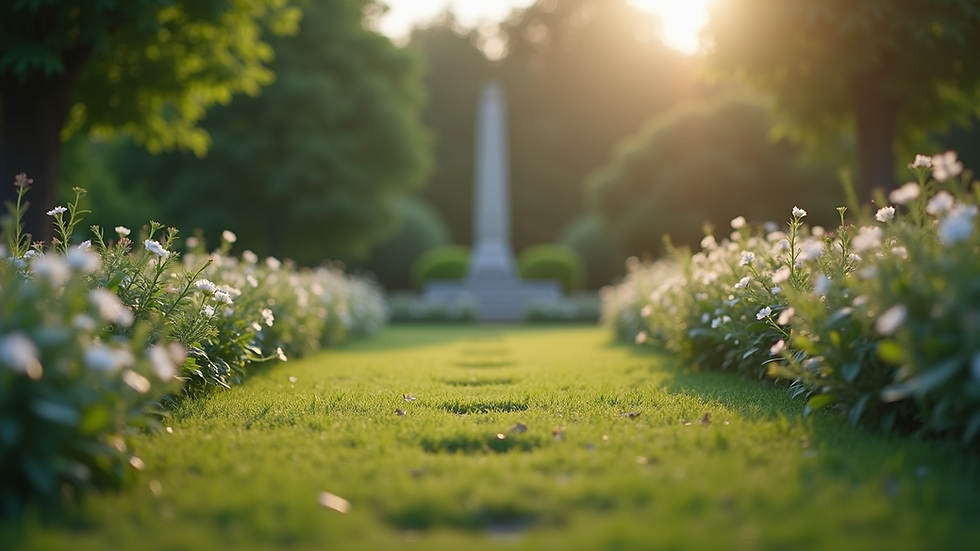
2. Memorial Gardens
Creating a memorial garden is a beautiful way to honor a loved one. This living tribute can be a peaceful space for reflection and remembrance. Consider the following when designing a memorial garden:
Plant Selection: Choose plants that were meaningful to your loved one or that bloom in their favorite colors.
Seating Areas: Include benches or seating areas where family and friends can gather to remember and share stories.
Personal Touches: Add elements like wind chimes, bird feeders, or sculptures that reflect your loved one's personality.
3. Memory Boxes
A memory box is a personal and intimate way to remember a loved one. It can be filled with items that remind you of them, such as:
Photographs: Include pictures that capture special moments and memories.
Letters: Write letters to your loved one expressing your feelings and sharing updates about your life.
Keepsakes: Add items that represent their hobbies, interests, or significant life events.
4. Online Memorials
In today's digital age, online memorials have become increasingly popular. These virtual spaces allow friends and family to share memories, photos, and stories. Consider the following when creating an online memorial:
Platform Selection: Choose a platform that suits your needs, whether it's a dedicated memorial website or a social media page.
Content Sharing: Encourage family and friends to contribute by sharing their own memories, photos, and messages.
Interactive Features: Some platforms allow for interactive features like guestbooks or memory walls, making it easy for others to engage.
5. Memorial Events
Hosting a memorial event can be a meaningful way to celebrate a loved one's life. This could be a small gathering or a larger event, depending on your preferences. Here are some ideas for memorial events:
Celebration of Life Ceremony: Organize a ceremony that focuses on celebrating the person's life rather than mourning their death. Include speeches, music, and personal stories.
Charity Events: Consider hosting an event to raise funds for a cause that was important to your loved one. This could be a walk, run, or fundraiser.
Annual Remembrance Day: Establish an annual day to remember your loved one. This could include activities they enjoyed or a gathering of family and friends.
Personalizing Your Memorial
Personalization is key to creating a meaningful memorial. Here are some ways to add a personal touch:
Incorporate Hobbies and Interests: Think about what your loved one enjoyed. If they loved gardening, consider a garden memorial. If they were passionate about music, include their favorite songs in a memorial event.
Use Quotes and Sayings: Include meaningful quotes or sayings that resonate with your loved one’s personality. This can be inscribed on a memorial stone or included in a memory book.
Engage Family and Friends: Involve family and friends in the memorial planning process. Their input can help create a more comprehensive tribute that reflects the collective memory of your loved one.
Tips for Creating a Meaningful Memorial
Creating a meaningful memorial can be a daunting task. Here are some practical tips to help guide you through the process:
Take Your Time: There is no rush to create a memorial. Allow yourself the time to grieve and reflect on what would best honor your loved one.
Seek Support: Don’t hesitate to reach out to family and friends for support. Sharing ideas and memories can help you feel less alone in the process.
Consider Professional Help: If you feel overwhelmed, consider hiring a professional memorial planner or a grief counselor. They can provide valuable guidance and support.
Be Open to Change: Your ideas for a memorial may evolve over time. Be open to adapting your plans as you continue to process your grief.
Conclusion
Creating a meaningful memorial for a loved one is a deeply personal journey. It allows you to honor their memory, celebrate their life, and find comfort in your grief. Whether you choose a traditional grave marker, a memorial garden, or an online tribute, the key is to make it personal and reflective of who they were. Remember, there is no right or wrong way to memorialize someone. What matters most is that it comes from the heart.
As you embark on this journey, take the time to reflect on what would best honor your loved one. Engage with family and friends, and allow their memories to inspire your choices. In doing so, you will create a lasting tribute that keeps their spirit alive in your heart and the hearts of others.

Comments